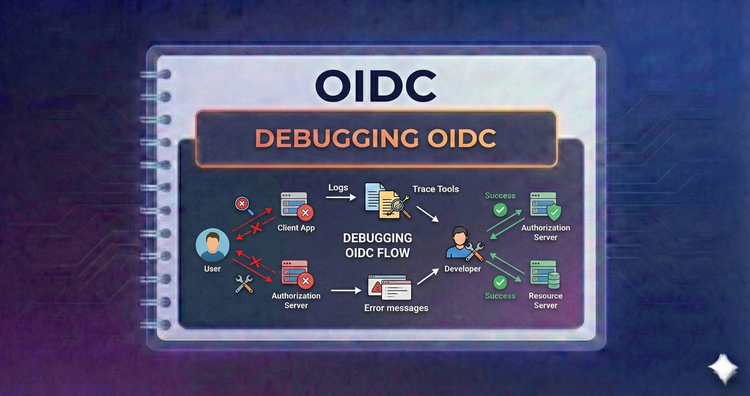
OIDC - Debugging OIDC
When things break, how do you fix them? Master tools like jwt.io and OIDC Debuggers to inspect raw tokens and troubleshoot common errors like invalid_grant or mismatched redirect URIs.
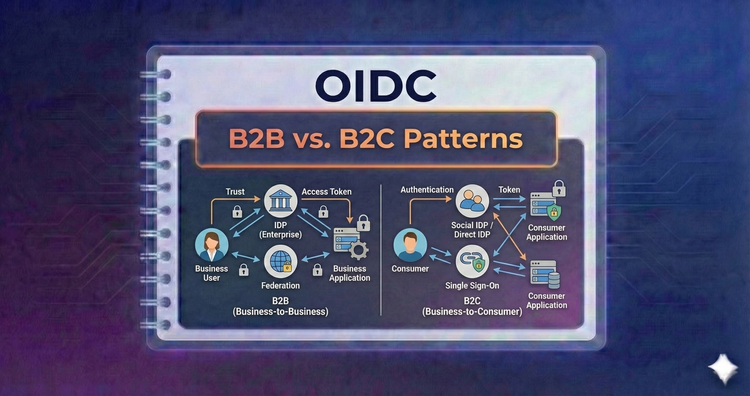
OIDC - B2B vs. B2C Patterns
Enterprise needs differ from consumer apps. We’ll explore architectures for multi-tenancy, organization-specific login policies, and "Identity Brokering" (Log in with Google/Microsoft).
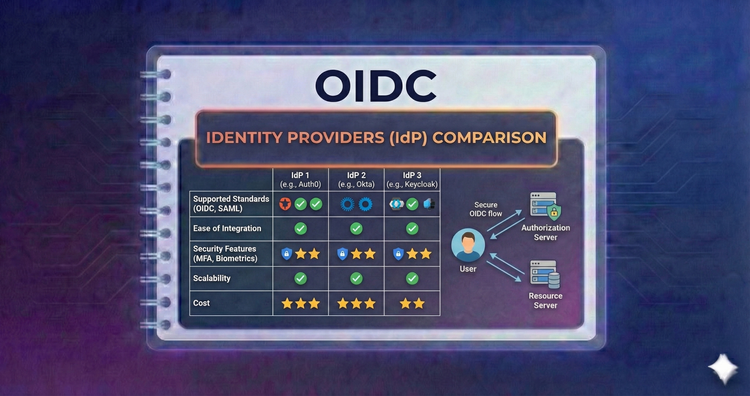
OIDC - Identity Providers (IdP) Comparison
Auth0, Keycloak, or Cognito? We’ll compare managed SaaS solutions against self-hosted options, evaluating costs, customization limits, and operational overhead to help you pick the right stack.
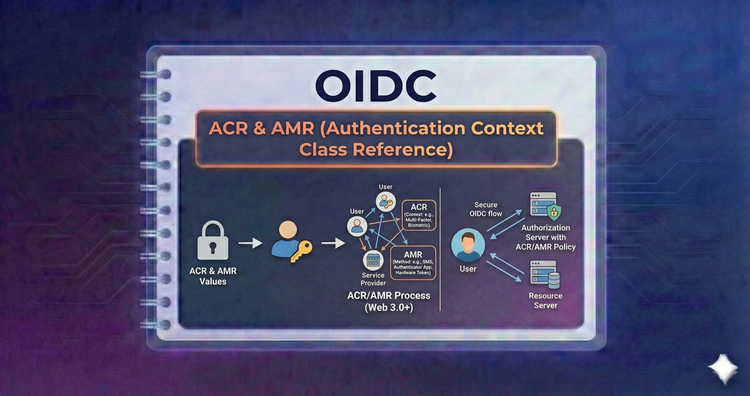
OIDC - ACR & AMR (Authentication Context Class Reference)
Not all logins are equal. Use these values to demand higher security standards—like forcing Multi-Factor Authentication (MFA)—or to audit exactly how a user authenticated (e.g., password vs. bio).
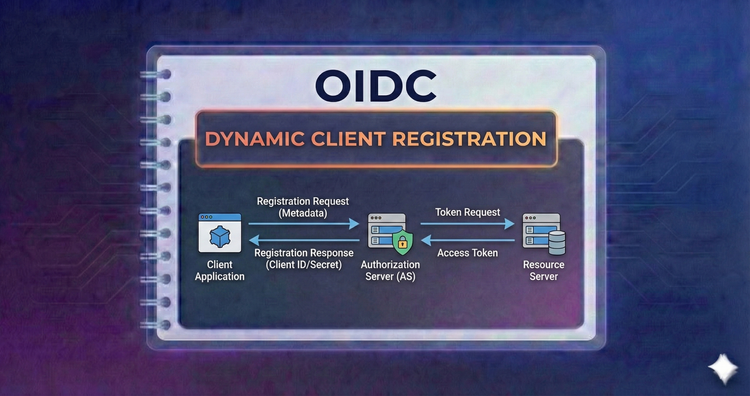
OIDC - Dynamic Client Registration
Move beyond manual setup. Learn how Relying Parties can programmatically register with OpenID Providers, automating the exchange of client IDs and secrets for scalable, multi-tenant architectures.
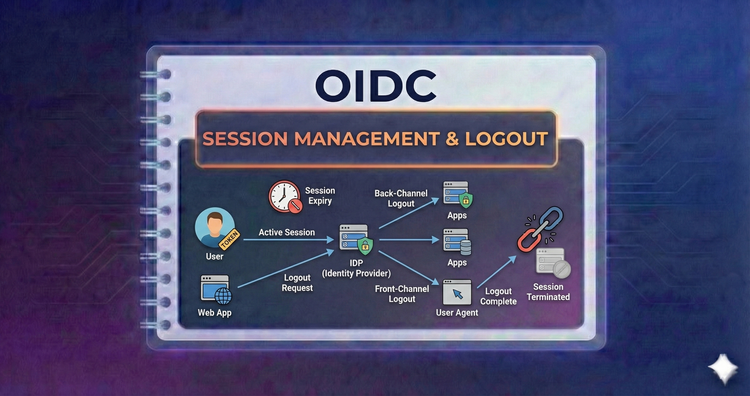
OIDC - Session Management & Logout
Logging in is easy; logging out is hard. We’ll tackle Single Logout (SLO), distinguishing between front-channel and back-channel mechanisms to ensure sessions are terminated cleanly across all apps.
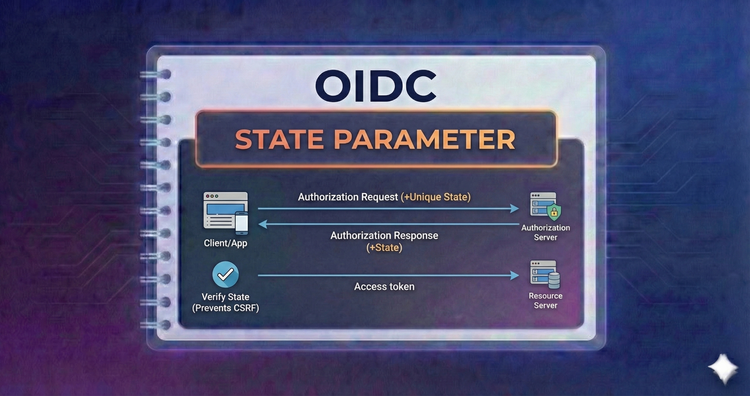
OIDC - State Parameter
Defend against Cross-Site Request Forgery (CSRF). We’ll use the state parameter to cryptographically bind the request to the callback, ensuring the response you receive is actually the one you asked for.
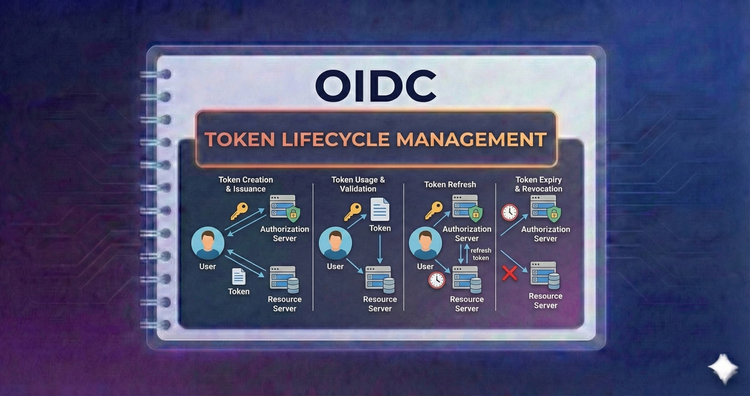
OIDC - Token Lifecycle Management
Tokens expire for a reason. Master the dance of short-lived access tokens and long-lived refresh tokens, including strategies for rotation and revocation to maintain security without annoying users.
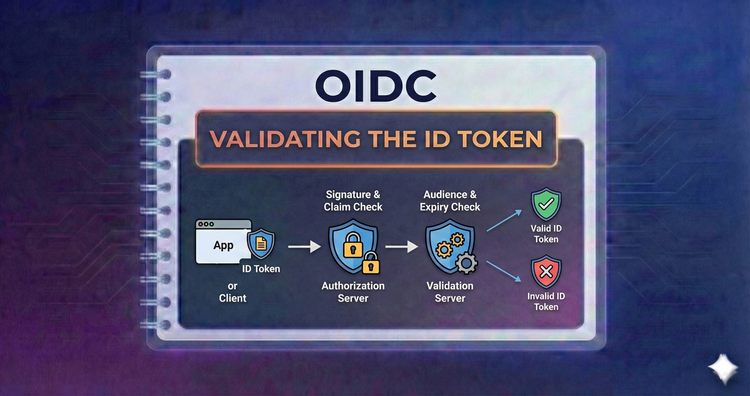
OIDC - Validating the ID Token
Trust, but verify. We’ll implement rigorous checks for signatures (RS256), audiences (aud), and issuers (iss) to ensure incoming tokens are authentic and haven't been tampered with.
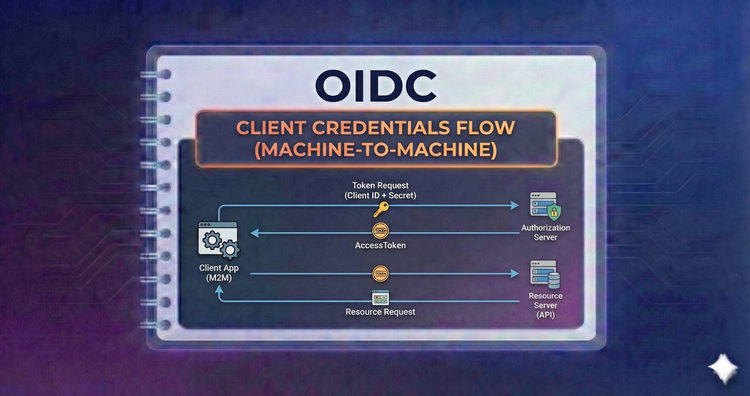
OIDC - Client Credentials Flow (Machine-to-Machine)
Not all users are humans. Learn how services and daemons authenticate with each other using OIDC principles, securing server-to-server communication without user interaction or UI.